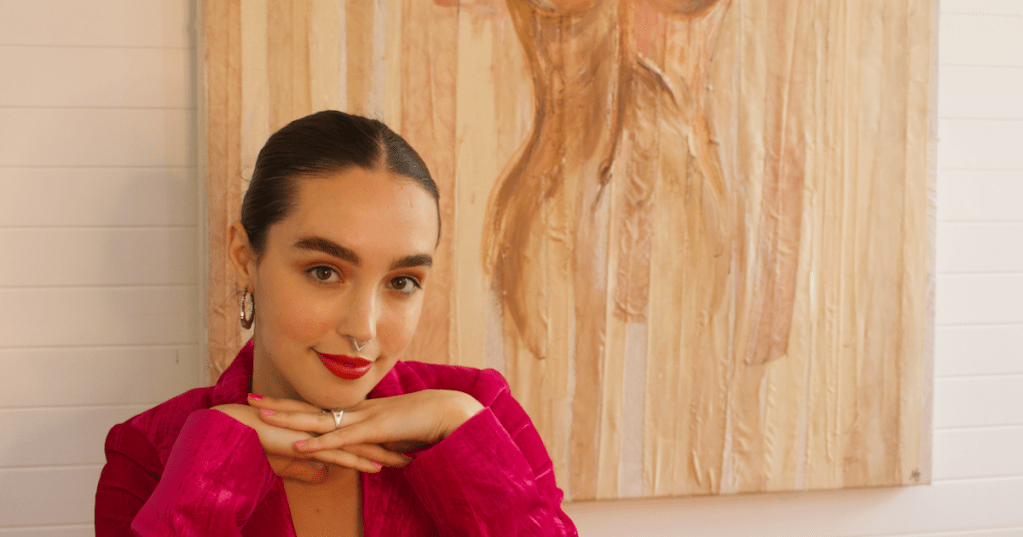
Extracts taken from Ep 11 of the Canna Curious Podcast – Bleeding, Burnout & Blazing: Living with Endo, PMDD & ADHD – with Lillie Brown
Why We’re Talking About This
Over 1 in 9 women live with endometriosis. Up to 1 in 20 women may have PMDD. Both conditions are under-researched, frequently misdiagnosed, and often treated with a combination of birth control, antidepressants, and painkillers.
For Lillie Brown, a sexologist living with endometriosis, PMDD, migraines, and ADHD, none of that worked. But one thing did: cannabis.
What Is Endometriosis, Really?
Endometriosis is not just a “bad period.” It is a systemic, inflammatory disease where tissue similar to the uterine lining grows in places it shouldn’t, causing pain, fatigue, and in many cases, infertility.
It affects over 10% of women globally. Yet there is no cure. No research as to why this is happening. And access to effective, evidence-based care is still hard to come by.
PMDD: More Than Just a Mood Swing
Premenstrual Dysphoric Disorder (PMDD) is a severe hormone sensitivity that causes intense mood shifts, suicidal thoughts, anxiety, and rage before menstruation.
While PMDD is not uncommon, especially among those with ADHD and autism, it is still largely misunderstood by mainstream medicine.
Lillie described PMDD like this:
“Honestly, some days it sounds like there’s 11 different nasty radio stations going on in my brain.”
When Nothing Helped, the Plant Did
Lillie had tried it all. Prescription opioids, hormonal contraceptives, antidepressants. None gave her lasting relief. Then, during a particularly bad endo flare, she smoked a joint.
“Twenty minutes later, I was like oh my God. It didn’t remove all the pain, but it took the edge off. I could eat. I could breathe. I could be in my body again.”
This isn’t just anecdotal. There’s a growing body of evidence showing cannabinoids can reduce pain, inflammation, and nausea. These are key symptoms in both endometriosis and PMDD.
The Research: What the Science Says
A 2024 international survey led by Justin Sinclair and Professor Mike Armour found the following:
- 90% of participants using cannabis for endo pain would recommend it to a friend
- 56% reported meaningful pain reduction
- 44% reported fewer side effects than with pharmaceutical pain meds
- 99% said they would keep using it
Read the 2024 endometriosis survey summary
In addition, studies show that both THC and CBD can:
- Reduce COX-2 enzymes and inflammatory cytokines (Smith et al., 2020)
- Interact with CB1 receptors in reproductive tissues (Pertwee, 2008)
- Improve sleep, appetite, and stress regulation, all essential in chronic pain care
Intentional Use: Not Just About Getting High
Lillie is clear. This isn’t about “blazing up” for the sake of it. Her use is intentional, layered, and grounded in self-care.
She uses:
- A 1:1 THC:CBD oil at night for sleep and inflammation
- Vaporised flower during pain spikes for fast relief
- CBD during the day to stay calm and functional
She even uses topical applications, like THC oil on the vulva or in vaginal suppositories, to manage internal pain and enhance arousal, with impressive results.
“Five minutes later, I felt heat, swelling, arousal. My body was soft. Relaxed. Open. And that arousal was so high.”
Why Aren’t We Talking About This More?
Because of stigma. Because of shame. Because women’s pain has been dismissed for decades.
Medical cannabis has only been legal in Australia since 2016. And as of 2024, most medical schools still don’t teach the endocannabinoid system — the very system these compounds interact with.
But that is changing. Conversations like this help move the needle.
Final Thoughts: You’re Not Imagining It
If you are living with chronic period pain, fatigue, nausea, mood swings, or brain fog — you’re not broken. And you’re not alone.
As Lillie said:
“Your pain is real. If your doctor’s not listening, find a new one. If your family’s not supporting you — Kyla and I will be your family now.”
Want to Learn More?
- Listen to the full episode: Canna Curious Podcast – Episode 11
- Read the latest research: In the Weeds survey 2024
 Canna Curious
Leave a comment